
Orange Habanero
Also known as Habanero Chili · Habanero Pepper · Yucatán Habanero · Habanero
The Habanero is a world-famous, very hot *Capsicum chinense* chili known for its intense fruity-citrusy flavor and floral aroma. It is a staple in Mexican, Caribbean, and Latin American cuisine and one of the most recognizable super-hot peppers.
About 26 times a Capsi Jalapeño (25,086 SHU typical).
Growing
~100 days to maturity
Fruit size
2–6 cm
Flavor & Use
Intensely fruity and citrusy (hints of mango, pineapple, apricot) with a strong floral aroma and subtle smokiness. The flavor is complex and aromatic even under the extreme heat.
Culinary
About
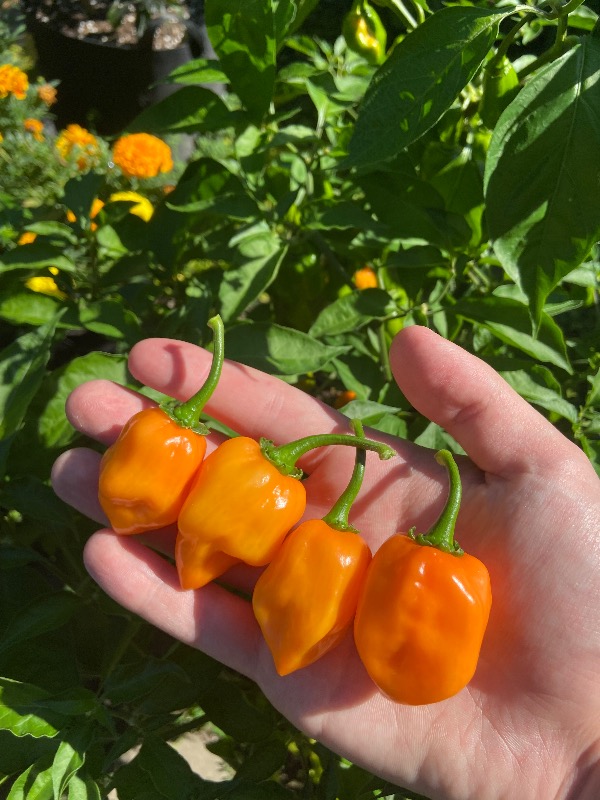
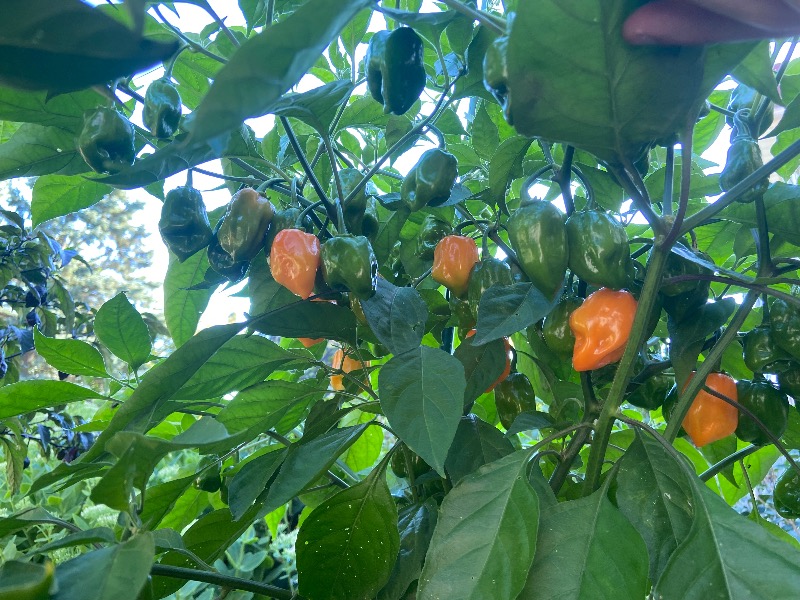
Habanero peppers are small, lantern-shaped (or bonnet-shaped) fruits, typically 1–2.5 inches (2–6 cm) long, with thin, wrinkled, and slightly pock-marked skin. They start green and ripen to vibrant orange (the most common commercial color), though red, yellow, brown, and even chocolate varieties exist. The flesh is thin-walled but juicy. Plants are compact to medium (2–4 ft) and highly productive in hot climates.
Backstory
Habaneros originated in the Amazon basin and were cultivated by ancient civilizations (including the Maya) thousands of years ago. They spread through trade to the Yucatán Peninsula in Mexico and the Caribbean. The name “habanero” comes from Havana, Cuba, where Spanish traders encountered them, even though they are not heavily used in traditional Cuban cuisine. The Yucatán Peninsula remains the largest commercial producer today. For centuries it was considered one of the hottest peppers in the world until superhot varieties appeared in the 2000s. Its unique fruity-floral flavor combined with extreme heat has made it a favorite in hot sauces, salsas, and gourmet cooking worldwide.
Appearance
Growing
Heritage
ExplorePeppers bred from Orange Habanero
Sources
FAQ
- How hot is Orange Habanero?
- Capsi’s sourced range is 405,228–892,719 SHU (Lab-verified). Capsi uses a sourced range and a trust tier, not a single marketing number. How we verify heat: https://web.thecapsi.app/learn/heat-and-capsaicin/how-we-measure-heat
- What does Orange Habanero taste like?
- Intensely fruity and citrusy (hints of mango, pineapple, apricot) with a strong floral aroma and subtle smokiness. The flavor is complex and aromatic even under the extreme heat.
- How do I grow Orange Habanero?
- Orange Habanero: about 100 days to maturity, tropical/subtropical climate, full sun, hardiness zones 9-11.
- What can I substitute for Orange Habanero?
- Scotch bonnet, other habanero varieties