

Cayenne
Also known as Cayenne chili · Cayenne pepper · Red Cayenne · Long Slim Pepper
The Cayenne pepper is a long, slender, hot chili famous worldwide as the classic dried red pepper flakes and ground cayenne powder. It delivers clean, sharp, fiery heat with a bright red color when ripe and is one of the most versatile and widely used hot peppers in global cuisine.
About 2 times a Capsi Jalapeño (25,086 SHU typical).
Growing
~80 days to maturity
Fruit size
10–15 cm
Flavor & Use
Clean, sharp, fiery heat with earthy undertones and a subtle fruity brightness. When dried and ground it becomes a versatile, pungent spice that adds heat without overpowering other flavors.
Culinary
About
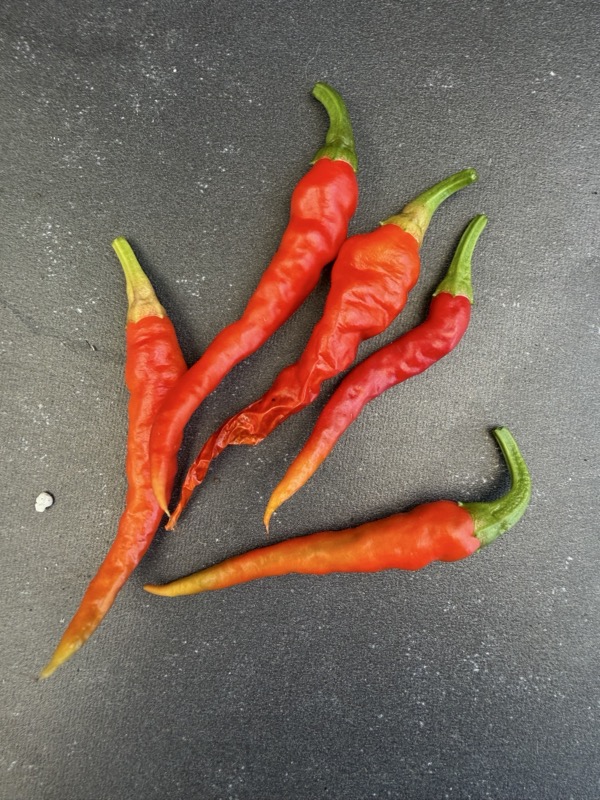
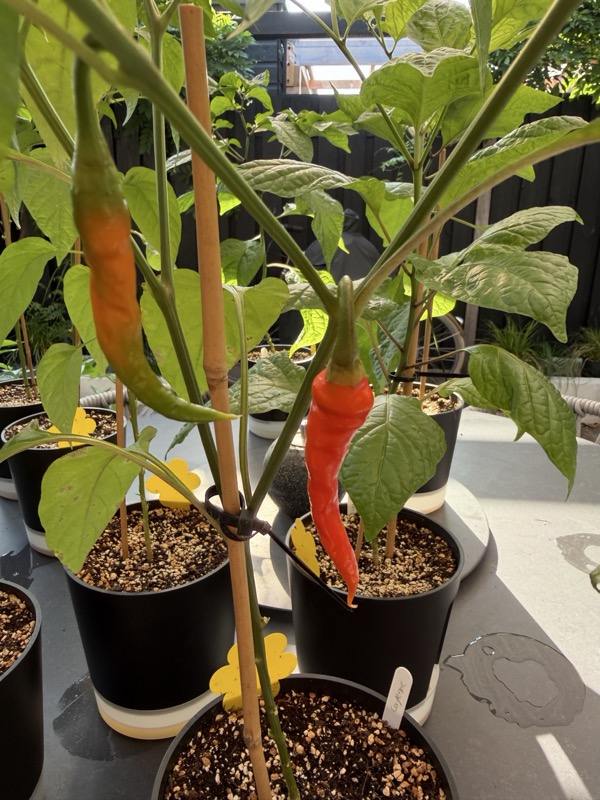
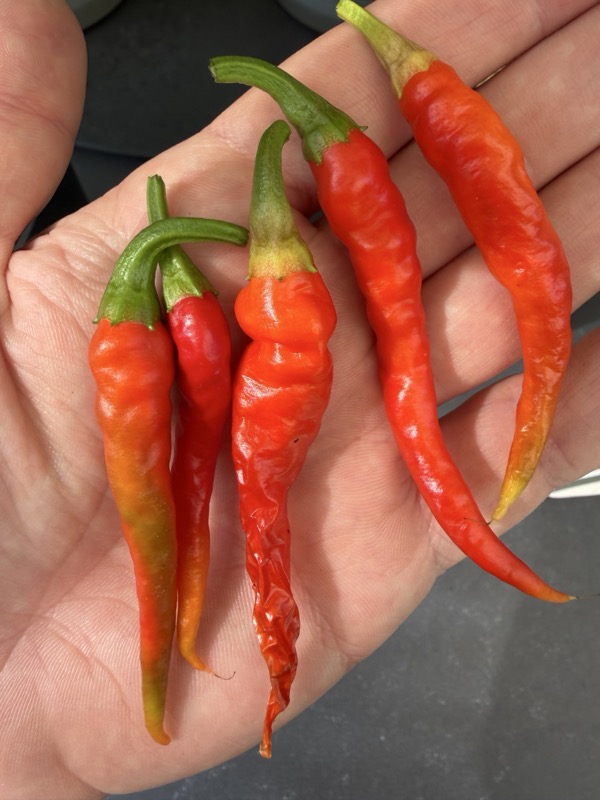
Cayenne peppers are thin, tapered, slightly wrinkled pods typically 4–6 inches (10–15 cm) long. They start green and ripen to a glossy bright red. Thin walls make them easy to dry and grind. Plants are tall and productive, about 45–90 cm. The heat is sharp and quick, and the dried powder is the form most kitchens actually use.
Backstory
The long red cayenne is an old Capsicum annuum pod type. The English name comes from a Tupi word for capsicum and was later tied to the city of Cayenne in French Guiana. Portuguese traders carried New World chiles to Europe, Africa, and Asia in the 1500s. The name is now used loosely for thin, hot red chiles of this shape, and for the powder ground from them.
Appearance
Growing
Heritage
ExploreCayenne is a traditional landrace.
Sources
FAQ
- How hot is Cayenne?
- Capsi’s sourced range is 8,760–91,907 SHU (Lab-verified). Capsi uses a sourced range and a trust tier, not a single marketing number. How we verify heat: https://web.thecapsi.app/learn/heat-and-capsaicin/how-we-measure-heat
- What does Cayenne taste like?
- Clean, sharp, fiery heat with earthy undertones and a subtle fruity brightness. When dried and ground it becomes a versatile, pungent spice that adds heat without overpowering other flavors.
- How do I grow Cayenne?
- Cayenne: about 80 days to maturity, warm subtropical to tropical climate, full sun, hardiness zones 9-11.
- What can I substitute for Cayenne?
- crushed red pepper flakes, paprika (for milder heat), Chile de Árbol, Thai Bird's Eye