
Black Prince Pepper
Also known as Black Prince
The Black Prince Pepper is a compact ornamental chili cultivar from Mexico featuring tiny conical pods that transition from deep purplish-black to vibrant red. It is grown for dark foliage and a colorful display in gardens and containers.
Growing
~85 days to maturity
Fruit size
1–3.2 cm
Flavor & Use
Slightly sweet with earthy notes, a hint of fruitiness, and light bitterness; straightforward and not highly complex, typical of ornamental peppers.
Culinary
About
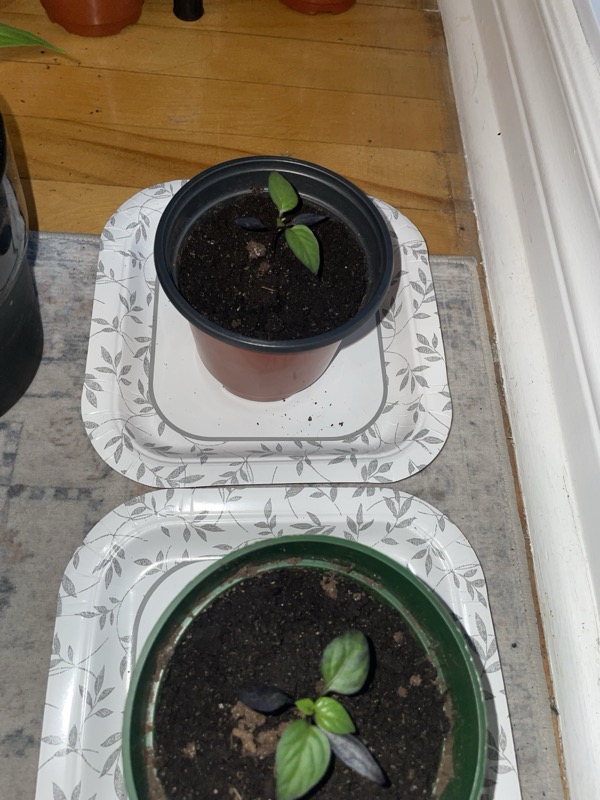
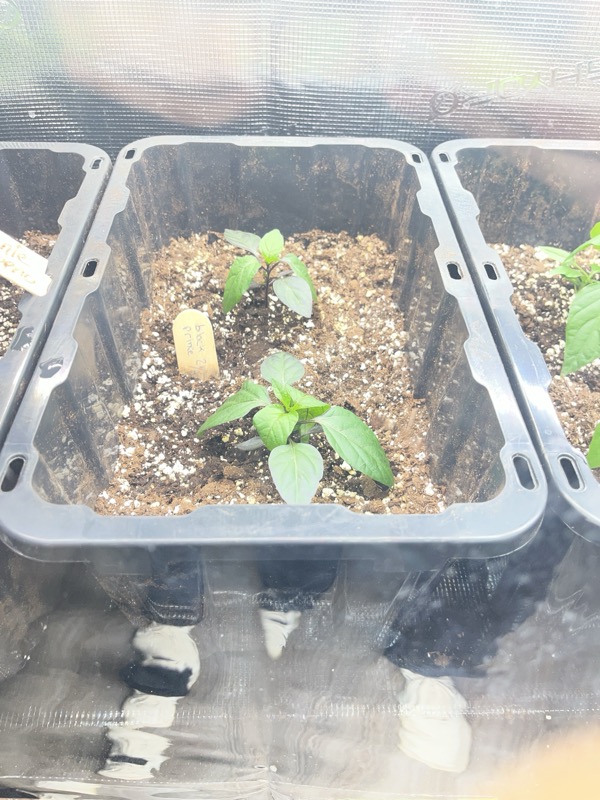
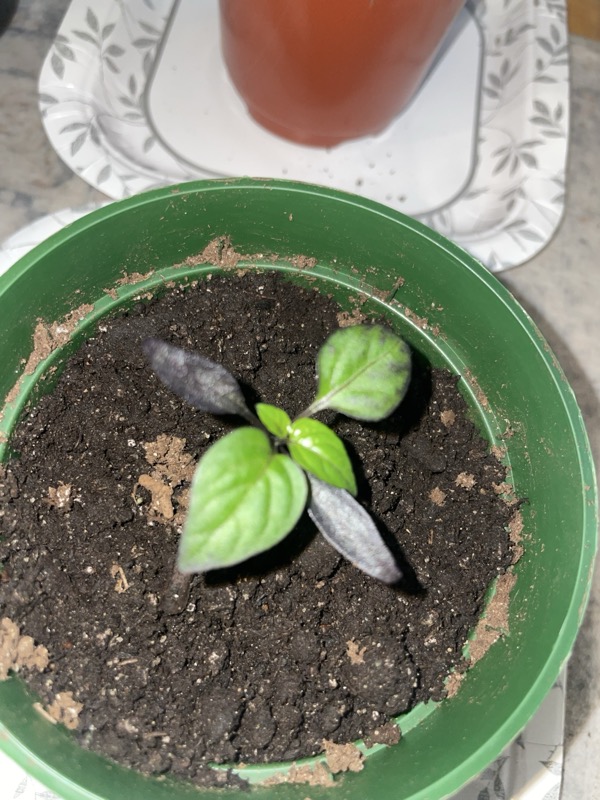
Cone-like pods are tiny, typically about 1/2 inch long and 1/2 inch wide, starting as a deep purplish-black and ripening to a rich red. The plant has dark purple stems, leaves that often show a purplish hue, and purple flowers. While fully edible, the peppers offer a mildly sweet flavor with earthy undertones, light fruitiness, and a touch of bitterness, though they lack significant depth or complexity beyond the heat. Ripe fruit works in salsas, hot sauces, salads, and dried preparations, though the plant is primarily grown for ornamental value. The open-pollinated plants produce good yields of upright pods with thin flesh and grow to 24-36 inches tall, thriving in full sun with fertile, well-drained soil. Suitable for containers and gardens alike, it matures in about 85 days.
Backstory
The Black Prince Pepper is an ornamental cultivar kept for dark foliage and pods that shift from purplish-black to red. Seed catalogs most often list Mexico as the origin; at least one U.S. house lists it as an American variety. No breeder statement or named parentage has been published.
Appearance
Growing
Heritage
ExploreNothing reputable documents a pedigree for this pepper.
Sources
FAQ
- How hot is Black Prince Pepper?
- Capsi’s sourced range is 5,000–30,000 SHU (Vendor Claim). Capsi uses a sourced range and a trust tier, not a single marketing number. How we verify heat: https://web.thecapsi.app/learn/heat-and-capsaicin/how-we-measure-heat
- What does Black Prince Pepper taste like?
- Slightly sweet with earthy notes, a hint of fruitiness, and light bitterness; straightforward and not highly complex, typical of ornamental peppers.
- How do I grow Black Prince Pepper?
- Black Prince Pepper: about 85 days to maturity, subtropical climate, full sun, hardiness zones 9-11.
- What can I substitute for Black Prince Pepper?
- cayenne pepper, serrano pepper